Types
Buffalo Desi Ghee
Published September 2026
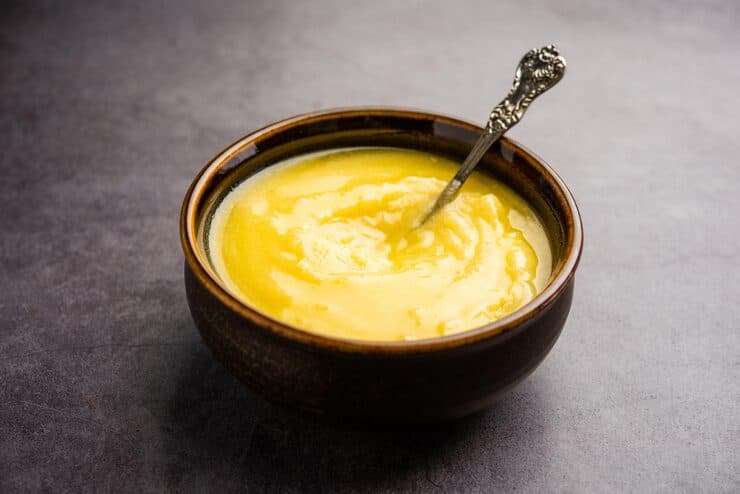
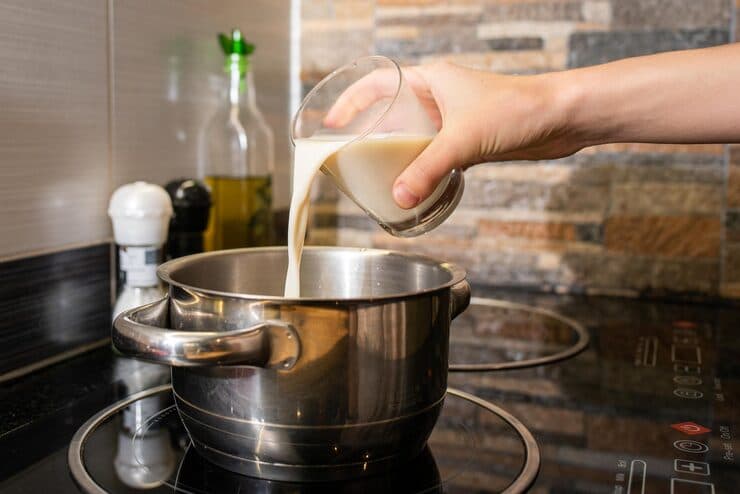
Buffalo milk carries more fat per liter than cow milk, which changes how much ghee you get from the same volume of milk. Buffalo desi ghee is often paler and milder than browned cow ghee, and it is widely used in mithai and deep frying.
Flavor and fat profile
Buffalo ghee tastes less nutty than many cow ghee batches because solids are often browned less and feed carotene differs. Calories per spoon remain similar to cow ghee because both are nearly pure fat.
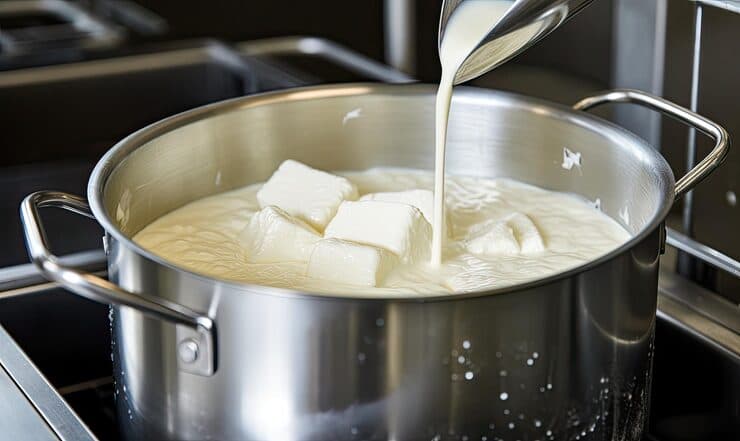
Commercial kitchens favor buffalo ghee when cost per kilogram of clarified fat matters. Home cooks choose it for neutral fat in sweets.
Best uses in the kitchen
- Deep frying jalebi, samosa, and poori where neutral fat helps
- Rich laddu, barfi, and [soan papdi](/desi-ghee-soan-papdi)
- Daily dal tadka when cow ghee supply is limited or costly
- Recipes needing higher fat yield from homemade malai
Nutrition notes
Buffalo ghee is not lower in calories than cow ghee per teaspoon. The advantage is yield from milk, not a lighter macro profile.
See desi ghee nutrition for serving sizes and comparison with butter.
When to pick buffalo over cow
Pick buffalo ghee for mild mithai and large-batch frying. Pick cow ghee when you want nuttier tadka aroma. Many households keep both for different dishes.
Frequently asked questions
Is buffalo desi ghee healthier than cow ghee?
Both are saturated fats with similar calories per spoon. Choose based on flavor and recipe needs, not a single health winner.
Why is buffalo ghee white?
Less carotene from feed and lighter browning during clarification keep color pale compared to golden cow ghee.
Can I substitute buffalo ghee in any recipe?
Yes in most cooking. Flavor will be milder. Cow ghee may be preferred where nutty aroma is part of the dish.