Basics
What Is Desi Ghee?
Published September 2026
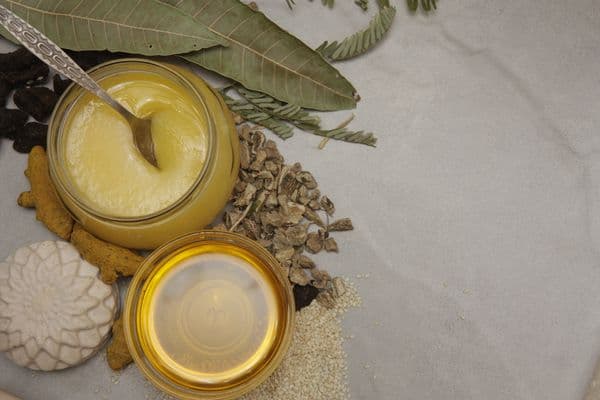
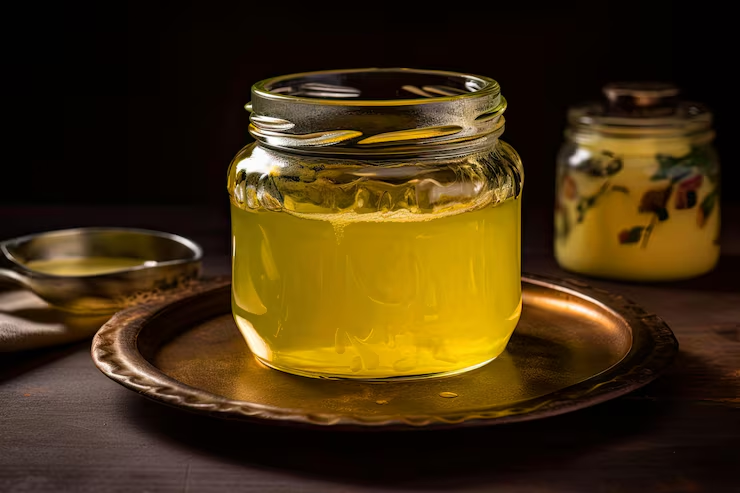
Desi ghee is clarified butter made by slowly heating butter or cream until water evaporates and milk solids brown, then straining the golden fat. The word desi points to traditional, locally sourced milk and home-style preparation rather than a different food category in nutrition databases.
What desi ghee means in everyday use
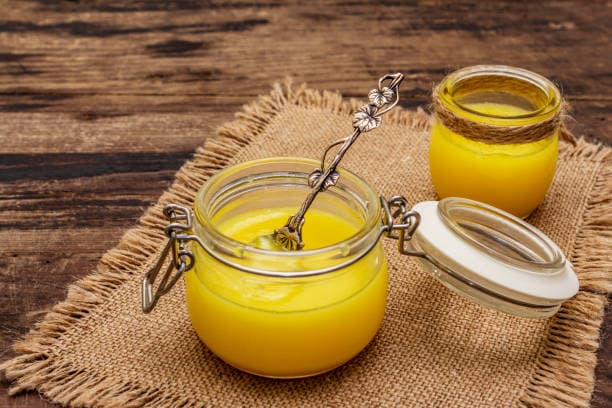
In South Asian kitchens, desi ghee simply means ghee from traditional milk sources and familiar preparation methods. It is the fat you reach for when a recipe calls for ghee in dal tadka, paratha, or festive sweets.
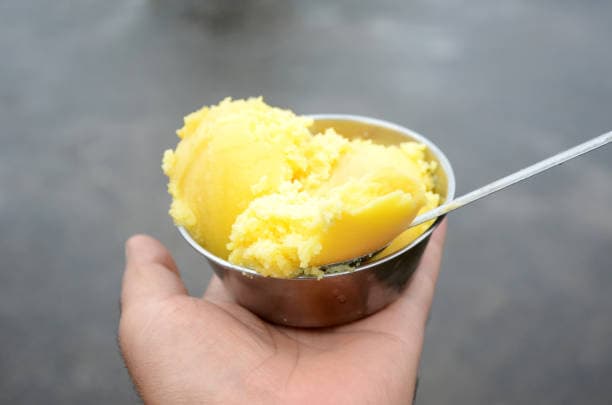
Shudh desi ghee and pure desi ghee appear on labels as marketing language. They should mean 100% milk fat with no vegetable oil blends, but the words alone are not legal quality grades. Always check the ingredient list.
- Desi ghee in English: clarified butter from traditional milk sources
- Desi ghee in Hindi: desi ghī (देसी घी), the same product
- Desi butter ghee: ghee made from cultured butter rather than direct cream clarification
How desi ghee is made
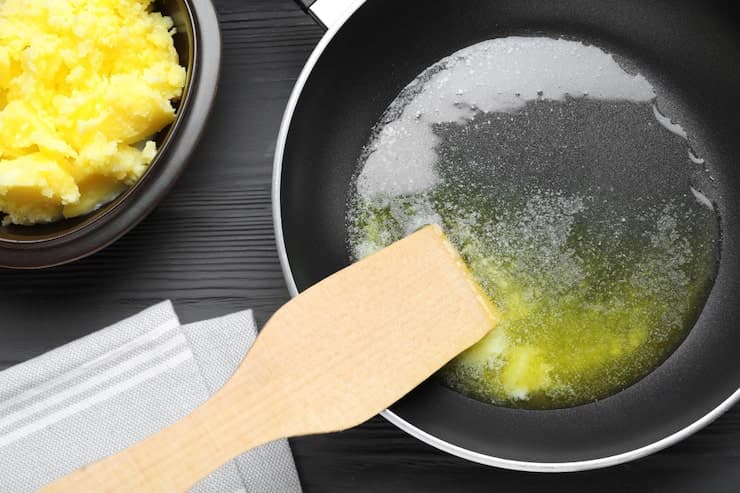
Traditional production starts with full-fat milk. Cream (malai) is collected over several days, churned into butter, then heated in a wide pan. As water boils off, solids sink and toast lightly, which gives desi ghee its nutty aroma.
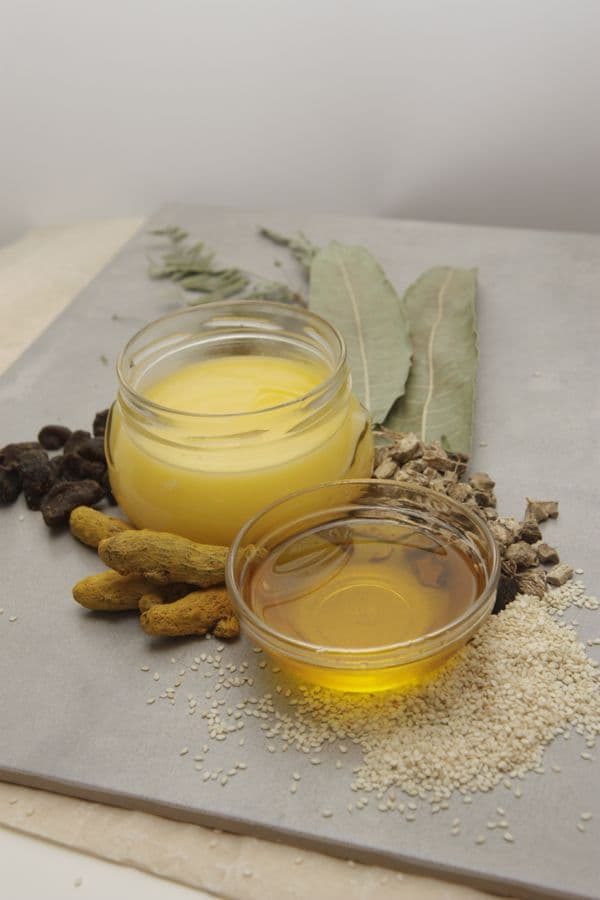
Industrial ghee follows the same chemistry at larger scale. Bilona ghee adds a hand-churn step before clarification. That labor increases cost and can deepen flavor, but the finished product is still primarily milk fat.
- Collect or buy butter or cream
- Heat gently until water leaves and solids brown
- Strain through fine mesh or muslin
- Store in a dry, airtight jar
Desi ghee vs regular ghee or butter
Butter contains milk solids and about 16 to 18 percent water. Ghee is nearly 100 percent fat with solids removed, so it tolerates higher heat before smoking and keeps longer at room temperature when stored correctly.
Regular packaged ghee and desi ghee overlap in nutrition. The practical differences are usually milk source, batch size, and how much the solids were browned during cooking.
| Product | Water content | Typical smoke point | Shelf life |
|---|---|---|---|
| Butter | 16-18% | 150°C / 302°F | Refrigerated weeks |
| Desi ghee | Trace | 205-250°C / 400-482°F | Room temp months |
| Vegetable dalda | Varies | Varies | Label dependent |
Cow, buffalo, and labeled varieties
Cow desi ghee tends toward a golden color and nuttier aroma when solids are lightly browned. Buffalo desi ghee is often paler and milder, with more fat produced per liter of milk.
Labels such as A2, bilona, or organic describe sourcing and process more than a separate nutrient class. Our types of desi ghee guide explains each label without overclaiming.
Common uses in home kitchens
Desi ghee is used for tadka (tempering spices in hot fat), frying poori and paratha, and finishing dal and rice. A small amount carries flavor because milk solids have already caramelized during clarification.
Outside cooking, some households use a teaspoon in morning warm water or milk. That is a dietary habit, not a proven medical treatment. See our benefits guide for what research actually supports.
- Tempering cumin, mustard seeds, and curry leaves for dal
- Shallow frying flatbreads where butter would burn faster
- Rich sweets such as laddu and halwa
- Finishing rice or biryani with a small spoon per serving
How to store desi ghee
Keep ghee in a dry glass or steel jar with a tight lid, away from direct heat and sunlight. Always use a clean, dry spoon. Moisture and food particles are what shorten shelf life, not the fat itself.
Refrigeration helps in very hot or humid kitchens. Cloudiness after refrigeration is normal and clears when the jar returns to room temperature.
Frequently asked questions
Is desi ghee the same as clarified butter?
Yes. Both are milk fat with water and solids removed. Desi ghee emphasizes traditional milk sources and browning style, which affects flavor more than the basic definition.
What is desi ghee called in Tamil?
Tamil speakers often use nei for ghee broadly. Packaged labels may say desi ghee in English while regional languages use local terms for the same product.
Can desi ghee be made from buffalo milk?
Yes. Buffalo desi ghee is common in parts of North India and traditional cooking. It is often whiter and milder than many cow ghee batches.
Does desi ghee contain lactose?
Well-strained ghee contains very little lactose because milk solids are removed. Highly sensitive individuals should still patch-test or consult a clinician.
How should I store desi ghee?
Use a dry, airtight jar away from heat and sunlight. Clean utensils prevent spoilage. Refrigeration extends life in hot climates.
Is desi ghee the same as A2 ghee?
Not always. A2 refers to a type of milk protein in the source milk. Finished ghee contains little protein, so A2 labeling is mainly about sourcing and price, not a different fat profile.