Health
Desi Ghee Benefits
Published September 2026
People search desi ghee benefits for two different reasons: practical kitchen advantages (heat stability, flavor) and health claims from traditional use. This page separates what ghee is genuinely good at from claims that lack strong clinical proof.
Benefits for cooking
Ghee has a higher smoke point than butter, which means spices and flatbreads fry without the burnt milk-solid taste butter can develop. Many cooks use a teaspoon for tadka because the aroma is already concentrated from clarification.
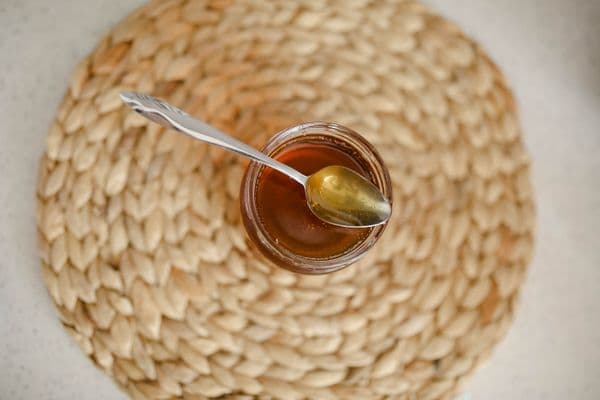
Because water is removed, ghee also keeps longer at room temperature than butter when the jar stays dry and clean. That makes it practical for daily Indian cooking where small amounts are used often.
- Handles higher heat than butter before smoking
- Carries spice flavors well in tadka
- Stable storage when kept moisture-free
- Works in sweets where a clean dairy fat is needed
Vitamins and fatty acids
Like other animal fats, ghee provides fat-soluble vitamins A, D, E, and K in small amounts per teaspoon. Exact levels vary by milk source, season, feed, and how long solids were browned.
Grass-fed cow ghee may contain slightly more conjugated linoleic acid (CLA) than grain-fed batches in some studies, but amounts in a typical serving remain small. Ghee is not a meaningful source of omega-3 compared to fish or flaxseed.
Traditional uses vs proven medical outcomes
Ayurvedic texts discuss ghee in diet patterns. Folk wisdom links small daily amounts to digestion comfort, joint care, or memory. High-quality trials on ghee alone are limited. Where evidence exists, it usually covers overall diet patterns, not one spoon of ghee in isolation.
If you manage heart disease, diabetes, or high LDL cholesterol, follow your clinician's fat guidance. Ghee can fit many diets in small amounts but is not a replacement for medication or balanced meals.
Digestion and lactose sensitivity
Well-made ghee contains very little lactose because milk solids are strained out. Some lactose-sensitive people tolerate ghee better than butter, though individual responses differ.
That tolerance does not mean ghee is a treatment for digestive disorders. It simply explains why some households prefer ghee over butter in cooking.
How to use desi ghee sensibly
For calorie context, see desi ghee nutrition. For morning habits, see desi ghee in the morning with realistic portion notes.
- Measure servings: one teaspoon to one tablespoon for most home recipes
- Swap, do not stack: if you add ghee, reduce other added fats that day
- Pair with fiber-rich foods: dal, vegetables, and whole grains
- Avoid treating ghee as a detox or weight-loss cure
What ghee is not
- Not a protein source (nearly zero protein per serving)
- Not a reliable omega-3 substitute
- Not proven to cure skin, hair, or chronic disease on its own
- Not calorie-free: each teaspoon adds about 45 calories
Frequently asked questions
Is desi ghee good for health?
It can be part of a balanced diet in small amounts. It is still a saturated fat and calorie-dense. People with cardiovascular risk should keep total saturated fat within medical or dietary guidelines.
Does desi ghee increase cholesterol?
Large amounts of saturated fat can raise LDL cholesterol in many people. Individual response varies. Regular blood tests and portion control matter more than any single food.
Is desi ghee good for weight loss?
No food alone causes weight loss. Ghee adds roughly 45 calories per teaspoon. Weight change depends on total calories and activity, not one morning ritual.
Are desi ghee benefits different from regular ghee?
Nutrition is similar when fat source is the same. Flavor and vitamin traces may differ by milk breed and processing, not by the word desi on the label alone.
Can children eat desi ghee?
Small amounts in family meals are common. Infants should follow pediatric feeding guidance. Introduce new fats gradually and watch for allergies.
Is ghee better than olive oil?
They serve different roles. Olive oil is common for moderate-heat cooking and dressings. Ghee suits high-heat tadka and traditional recipes. Many diets include both in measured amounts.