How-to
How to Make Desi Ghee at Home
Published September 2026
Homemade desi ghee needs a wide pan, low steady heat, and patience while water leaves the butter. You can start from store butter today or from cream you collect over several days. Both routes end with the same golden clarified fat.
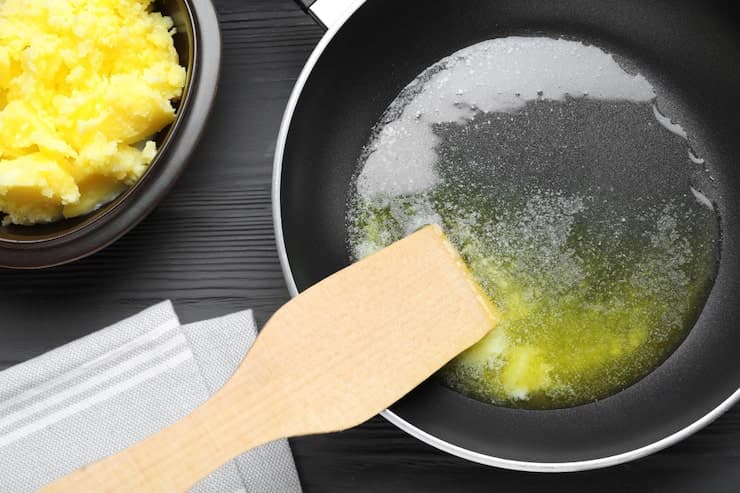
Choose your starting ingredient
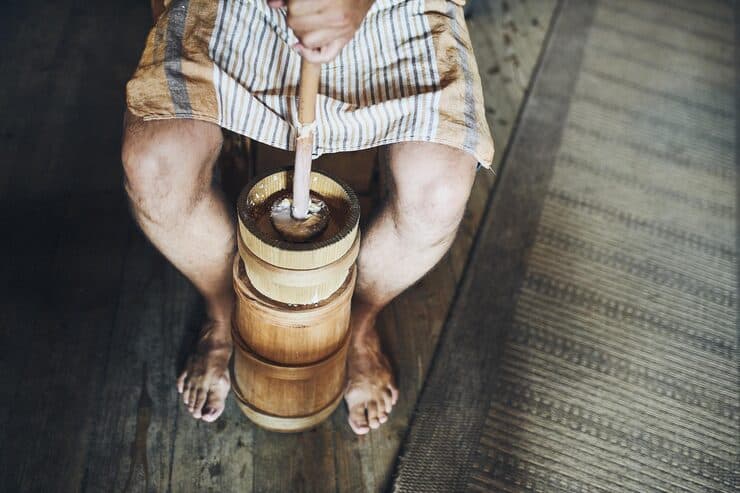
The malai method fits households that boil milk daily and can save cream in the fridge. You churn butter first, then clarify. Flavor is often deeper because the butter is cultured and fresh.
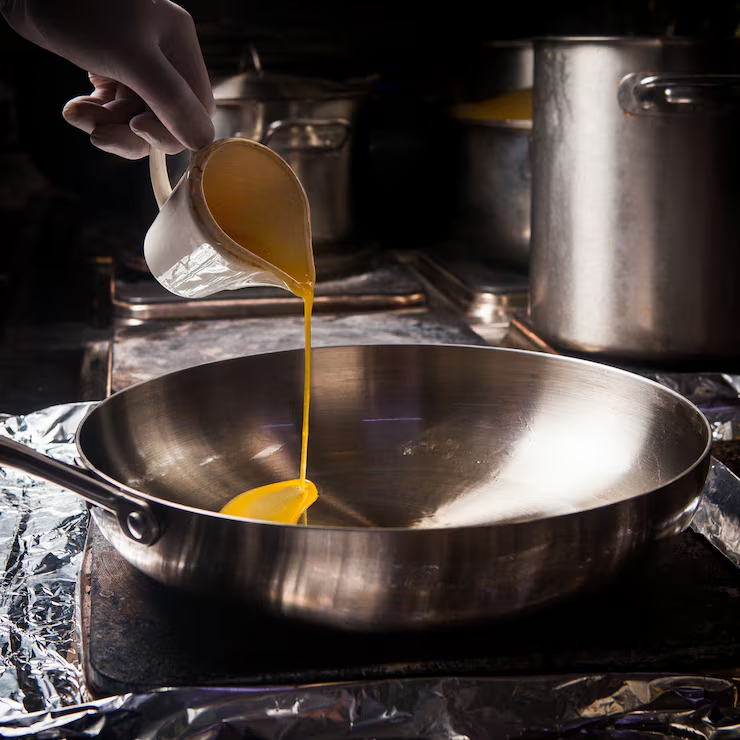
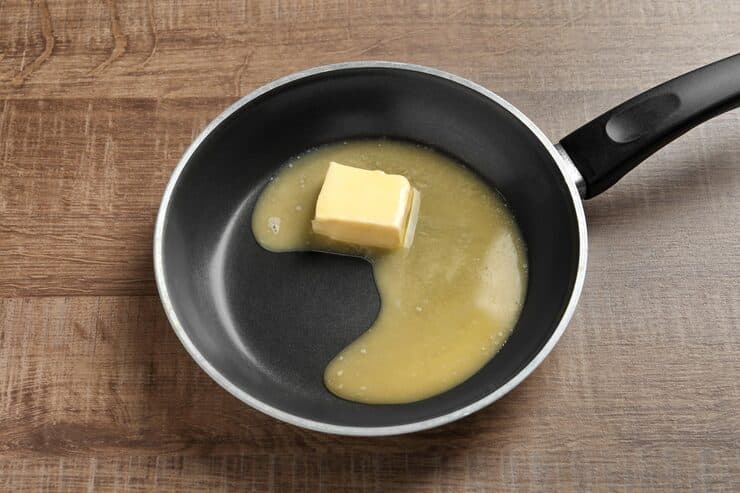
The butter method is faster. Melt unsalted butter and cook until solids brown. Most home cooks finish a batch in 45 to 75 minutes depending on pan size and heat.
| Method | Time | Skill | Best for |
|---|---|---|---|
| From butter | 45-75 min | Beginner | Quick batch, first attempt |
| From malai | Multi-day | Intermediate | Traditional flavor, zero cream waste |
| Direct cream | 60-90 min | Advanced | When butter churn is skipped |
What you need
- Wide heavy-bottom pan or kadai for even heating
- Fine mesh strainer plus muslin or cheesecloth
- Dry glass or steel jar with tight lid
- Clean ladle and spoon kept dry
- Optional kitchen thermometer for smoke-point reference
What happens during clarification
Butter is roughly 80 percent fat, 16 to 18 percent water, and the rest milk solids. Heat drives water off as foam, then solids sink and toast. That browning creates the nutty aroma people associate with desi ghee.
Straining removes solids so only stable fat remains. Well-strained ghee keeps for months at room temperature when stored dry.
- Melt butter on low heat
- Simmer until foam subsides and solids brown
- Stop before solids turn black
- Strain while hot into a dry jar
- Cool, seal, and store away from moisture
Safety and common mistakes
Hot fat splashes burn skin. Use low heat after the initial melt and keep children away from the stove. Never add water to hot ghee.
Burning solids gives bitter ghee. If the smell turns acrid, discard the batch and start again with lower heat.
- Mistake: high heat from the start. Fix: melt on low, then raise slightly.
- Mistake: wet jar or spoon. Fix: dry everything before contact.
- Mistake: stopping too early. Fix: wait until liquid looks clear and solids are golden.
- Mistake: leaving solids in the jar. Fix: double-strain through muslin.
Yield and storage
From 500 g butter, expect about 400 to 430 g ghee after water loss. Homemade batches vary with butter brand and moisture.
Store in a cool cupboard or refrigerate in hot climates. Cloudiness after refrigeration is normal fat crystallization.
Frequently asked questions
How long does homemade desi ghee last?
Properly strained ghee keeps several months at room temperature in a cool, dry kitchen. Refrigeration extends life in humid climates. Discard if smell turns sour or mold appears.
Can I use salted butter?
Unsalted butter is easier for general cooking. Salted butter works but adds sodium and can foam more during clarification.
Which method tastes more like shop ghee?
Malai or cultured butter batches often taste closer to traditional shop ghee because of longer fermentation before clarification.
Do I need special milk?
No. Any full-fat butter or cream works. Breed labels such as A2 affect marketing more than home batch chemistry.