How-to
How to Make Desi Ghee From Butter
Published September 2026
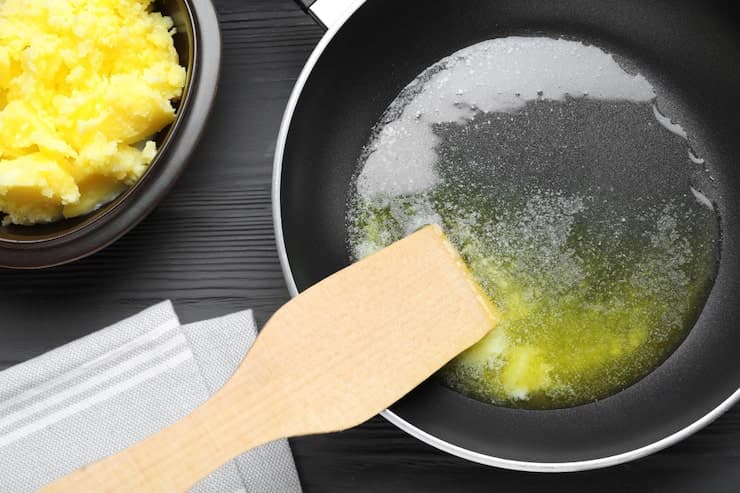
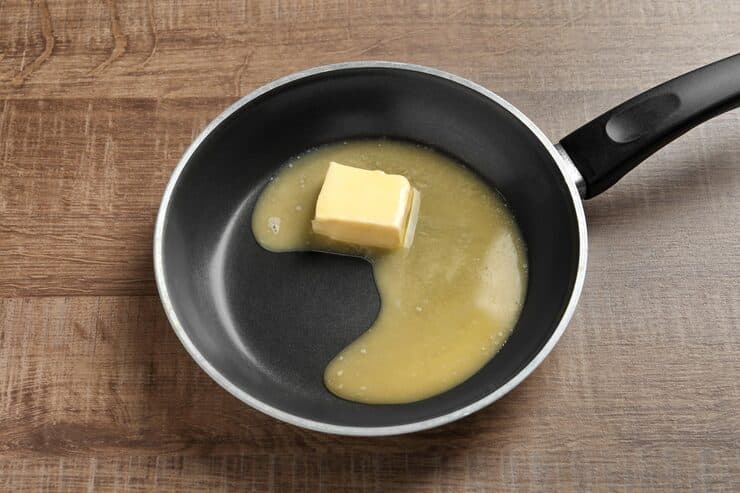
Start with 500 g unsalted butter in a wide pan on low heat. Watch foam and solids rather than the clock. Pan thickness and stove output change timing, but the visual stages stay the same.
What you need
- 500 g unsalted butter (cultured butter adds aroma)
- Wide heavy-bottom pan or kadai
- Fine mesh strainer and muslin cloth
- Dry heat-safe jar with lid
- Optional: ladle for skimming foam
Step-by-step instructions
- Cut butter into chunks so it melts evenly. Place in pan on low heat.
- Let butter melt without stirring until it simmers and foam rises.
- Reduce to low-medium heat. Solids will sink and begin to toast.
- Skim excess foam if the pan overflows, but some foam is normal.
- When solids turn golden brown and the liquid looks clear amber, remove from heat.
- Strain through muslin into a dry jar. Discard solids or use in baking.
- Cool uncovered 20 to 30 minutes, then seal and store away from moisture.
Reading foam, sound, and color
Early foam is mostly water leaving the butter. The pan may sound like gentle bubbling. Later, crackling means solids are drying and browning.
Near the finish, bubbling quiets and the fat looks translucent. Solids at the bottom should be golden to light brown, not black. Black solids mean bitter ghee.
| Stage | What you see | What to do |
|---|---|---|
| Melt | Butter liquefies, light foam | Keep heat low |
| Simmer | Active foam, milky color | Do not stir constantly |
| Clarify | Foam drops, solids sink | Watch color closely |
| Finish | Clear amber fat, golden solids | Remove heat, strain immediately |
Timing and yield
Most batches take 45 to 75 minutes from cold butter to strained ghee. Thicker pans and lower heat take longer but reduce burn risk.
From 500 g butter, expect roughly 400 to 430 g finished ghee. Weigh your jar empty and full if you want exact yield for future batches.
Common mistakes and fixes
- Grainy texture: cool too fast. Warm jar gently and stir while cooling for smooth ghee.
- Burnt taste: heat too high or cooked too long. Use lower heat next batch.
- Short shelf life: moisture in jar or solids left in fat. Strain twice through clean muslin.
- Low yield: stopped before water fully left. Continue gentle simmer until fat clears.
How to store homemade ghee
Keep the jar sealed in a cool cupboard. Use dry utensils every time. Refrigerate if your kitchen runs hot or humid.
Homemade ghee works well in desi ghee recipes within a week while aroma is freshest.
Frequently asked questions
How much ghee from 500 g butter?
Expect roughly 400 to 430 g ghee after water loss. Yield varies by butter water content and how long you simmer.
Why is my ghee grainy?
Rapid cooling crystallizes milk fat. Let the jar cool slowly at room temperature or stir gently while cooling.
Can I make ghee in the oven?
Some cooks use low oven heat in a heavy pot. Stovetop gives easier visual control for beginners.
Is homemade ghee cheaper than buying jars?
Often yes when butter is on sale. Factor in your time and energy use for a fair comparison.